We find all manner of illness as we search for tuberculosis. The focus is TB, but other health needs are just as real.
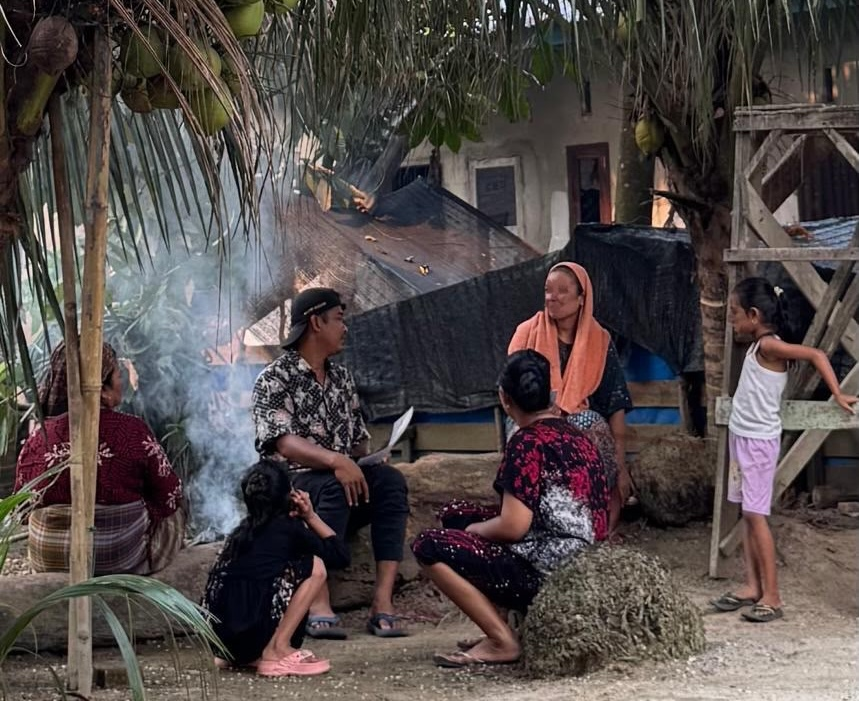
A strength of the program is its regular home visits, as the staff walks through villages and strikes up informal conversations. We visited more than 120 homes in a year, sharing relaxed, narrative-driven information about TB. This consistent approach is as effective as holding formal, educational conferences.
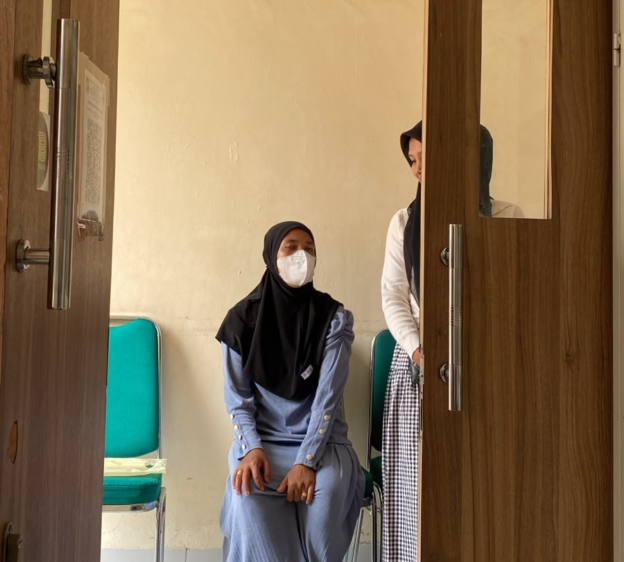
Initial screenings reveal dozens of vulnerable individuals suffering not only from TB, but from other respiratory conditions like COPD, pneumonia, asthma, and lung cancer. The presence of a licensed nurse in the program fosters trust, prompting villagers to seek help for conditions unrelated to pulmonary illness, such as hypertension, diabetes, stroke, gout, gastritis, vertigo, and emotional distress. While the program remains committed to TB, it does not ignore these complaints. Patients who consent undergo further assessment protocols until authorized doctors issue a formal diagnosis.
We must decide carefully how to help. If we turn away patients who seek non-TB related assistance, like transportation to hospitals or contributions to buy medication, it sometimes leads to accusations of “cherry-picking” or favoring certain families. We have seen some community members feel slighted and then distance themselves, or keep their family members’ lung conditions a secret. Conversely, if the program fully addresses every ailment, we would lose the core focus on finding and supporting TB patients.
To preserve community trust, the program has devised strategic alternatives. Those include attention to Critical Non-TB Care: connecting patients immediately with the village ambulance for urgent hospital transport; Minor Illnesses: the licensed nurse provides some basic over-the-counter medication so families do not have to wait for working members to return from their farms, and elderly patients do not need to rent expensive vehicles, to reach government pharmacies; Consultative Support: for more able families who have vehicles and higher literacy, we provide administrative guidance during the first hospital checkup, and then allow the family to manage subsequent visits independently; and Digital Integration: The program assists villagers in navigating the complex, new Government Mobile Health phone application during home visits, making future hospital administration much easier.
Running the program is a multifaceted balancing act. It is a joy to work with SEEDS and witness the broad spectrum of healing and empowerment in rural villages that arises from our focus on one disease, tuberculosis.