Our health project operates frequently in the village / regional areas.
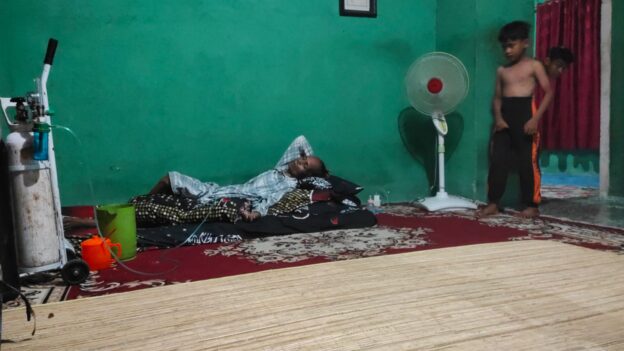
A major challenge we often face is the residents’ aversion to accessing healthcare from hospitals. A few reasons include the cost of travel, cost of medical services, not being able to understand the hospital staff (as the staff do not speak the village dialect), confusion with the health insurance system, or believing they can resolve serious medical issues with traditional/alternative methods.
We have offered to bridge this gap by explaining the importance of getting timely diagnosis / treatment, providing lifts if needed, assisting with interpretation during consults, and teaching them how the health insurance application works.
Currently, we now have at least two village residents, Mrs I and Mrs S, who are getting confident with navigating around the health insurance application. They have been showing other residents how to set it up and use it. They are also assisting with interpretation during medical consults.
We are starting to see a trend where residents require less persuasion to make the trip to the hospital or clinic. They are beginning to access help earlier rather than delaying it until their condition(s) has worsened. This is a work in progress. There are still a few residents with strong evidence of bone fractures that still insist on continuing their regime as prescribed by the traditional medicine practitioner. There are a number of stroke patients who still do not see the need to undergo regular physiotherapy rehabilitation.
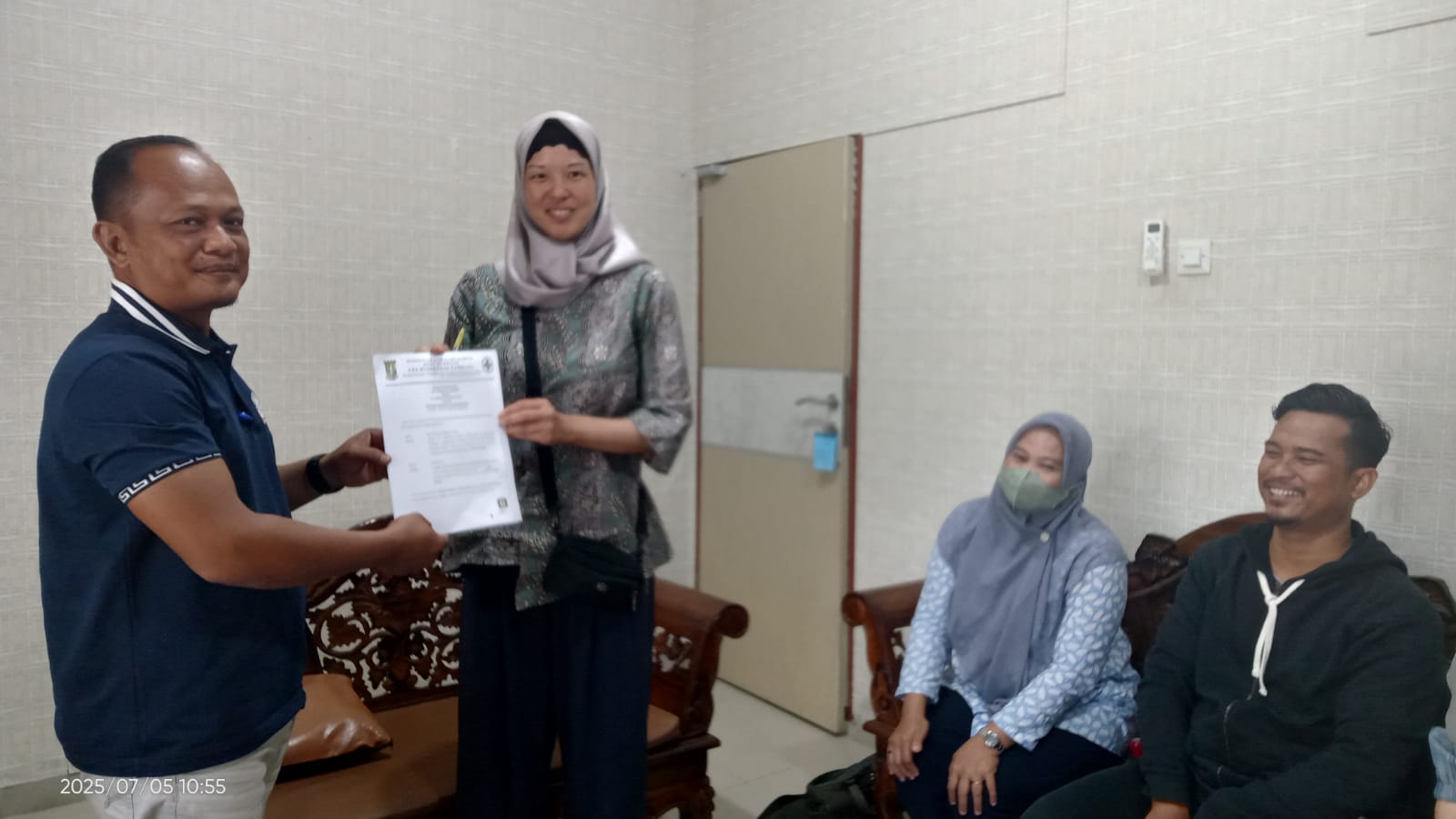
One achievement this past year was the signing of the M.O.U. and sharing of resources with a community clinic. However, this clinic is only open until 2pm and is still far away from a number of villages. This means it is still difficult for some residents to access local health services. One of our long-time local nurses has started a small “clinic” to enable access to basic consults and common prescription medications (e.g. blood pressure, diabetes, antacids, Tuberculosis, etc). This has been approved by the regional health department and will be supported by a local doctor.
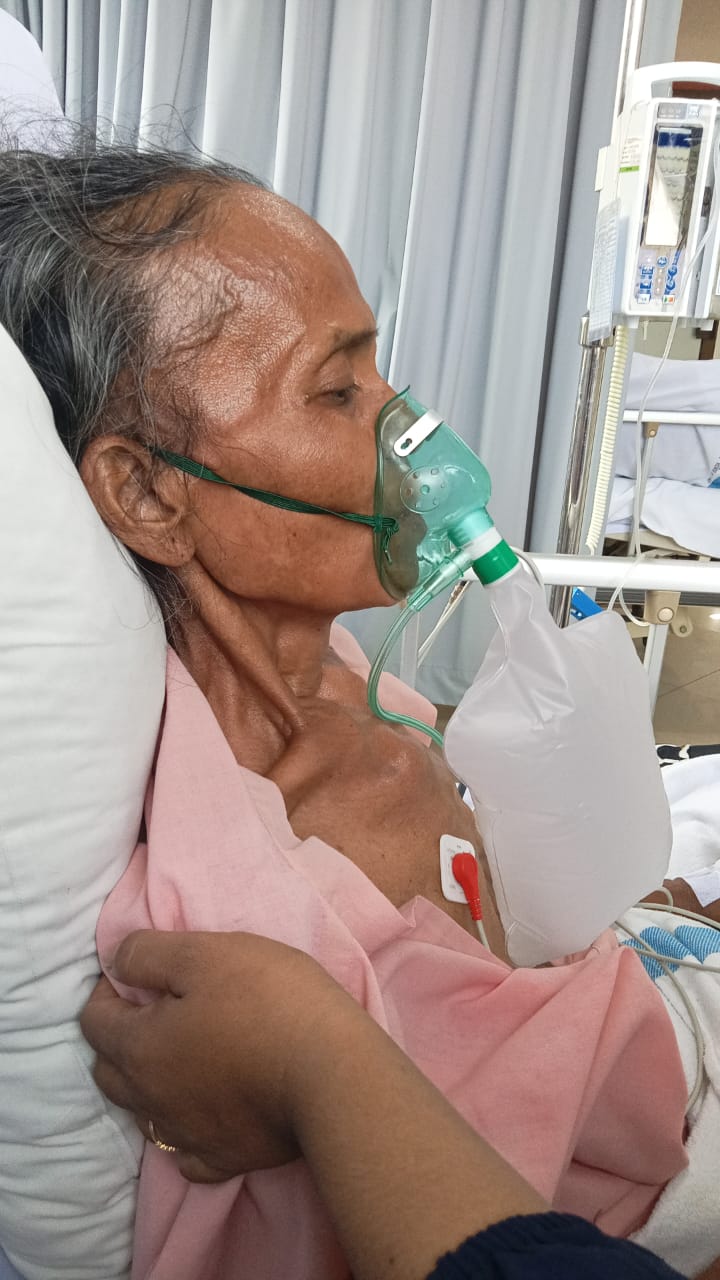
We hope to see a trend where more residents are empowered to seek out medical services, understand when it is appropriate to use traditional medicine, and when it’s imperative to access medical intervention. Our team will continue building trust in the communities.